
5 common 1099 filing mistakes (and how to avoid them)
Year-end 1099 filing doesn’t have to be painful. Here are the most frequent mistakes small businesses make and how to sidestep them.
1Waiting until January to collect W-9s
This is by far the most common mistake. When you wait until filing season to gather taxpayer information, you’re racing against the January 31 deadline with unresponsive contractors. The fix: collect W-9s at the start of every contractor relationship, not at the end of the year.
2Using the wrong form type
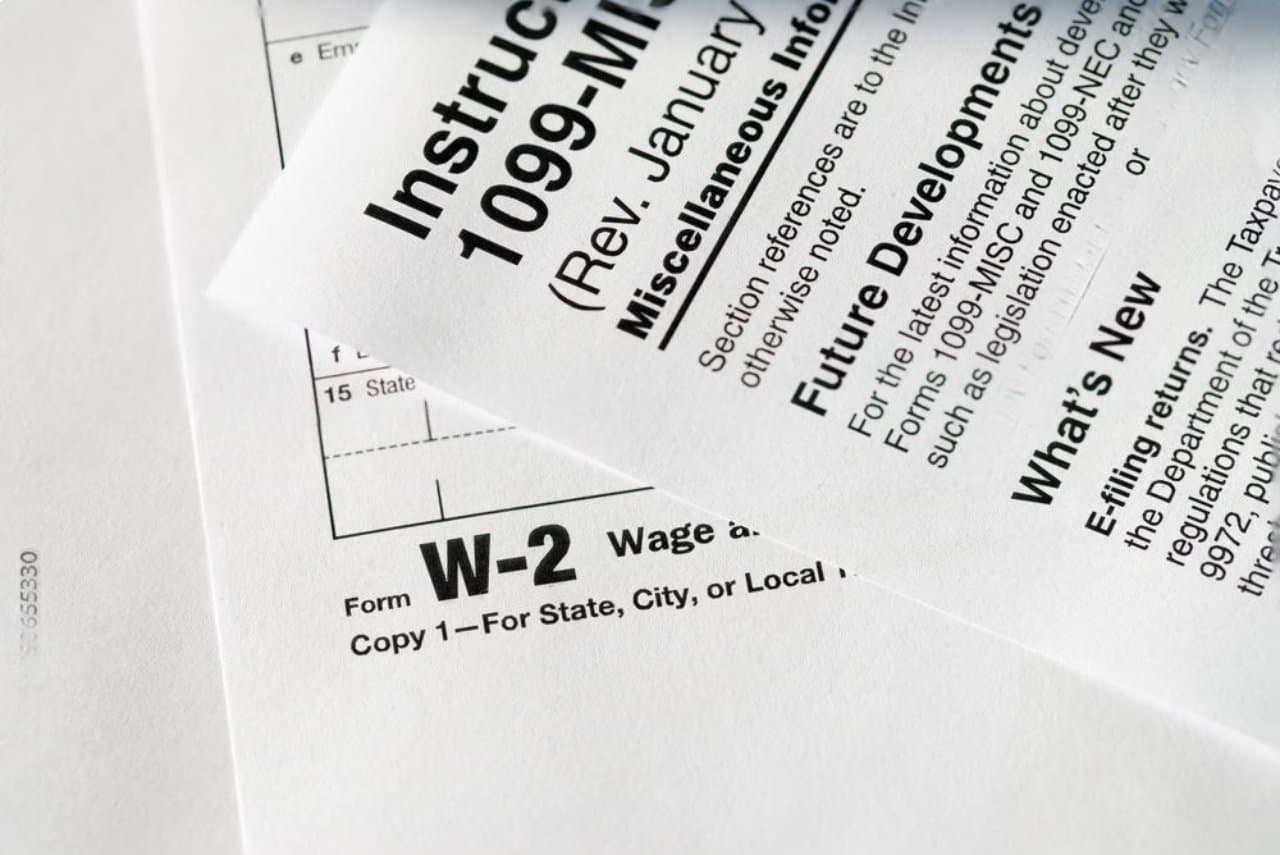
Since 2020, nonemployee compensation is reported on Form 1099-NEC, not 1099-MISC. Some businesses still use the wrong form, which can trigger IRS notices. If you’re paying a contractor for services, use 1099-NEC. The 1099-MISC is now reserved for other types of payments like rent and royalties.
3Filing with mismatched names and TINs
The IRS matches the name and taxpayer identification number (TIN) on your 1099 against their records. If the contractor gave you a business name but their TIN is under their personal name (or vice versa), you’ll get a CP2100 notice. Always verify that the name and TIN on the W-9 match exactly.
4Forgetting to file for contractors under $600
While the IRS generally requires 1099s only for payments of $600 or more, some businesses misunderstand this rule and skip borderline cases. If you paid a contractor $580 in invoices but also reimbursed $50 in expenses, the total may cross the threshold. Track total payments carefully, including reimbursements that aren’t under an accountable plan.
5Not keeping copies of filed 1099s
After you file 1099s with the IRS and send copies to contractors, keep your own copies for at least four years. If you’re ever audited or a contractor disputes the reported amount, you’ll need documentation. Store them alongside the corresponding W-9s in a secure, organized system.
Ready to collect W‑9s without chasing contractors?
Send secure upload links, see who’s still outstanding, and automate reminders — so every W‑9 is in before 1099 season.
5 free requests · No credit card required
More from the blog
W‑9 collection guides
Disclaimer: This post is for general informational purposes only. W‑9 Nudge does not provide tax, legal, or accounting advice. Consult a qualified professional for guidance specific to your situation.